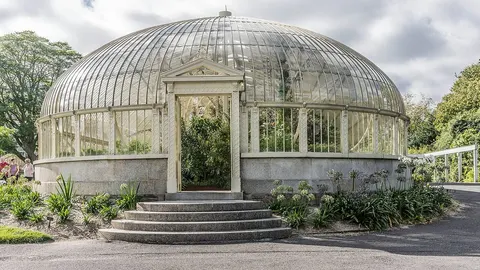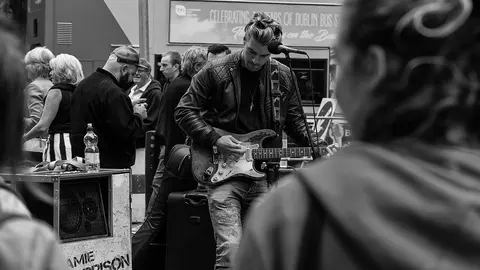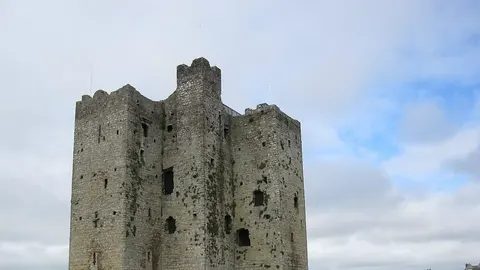
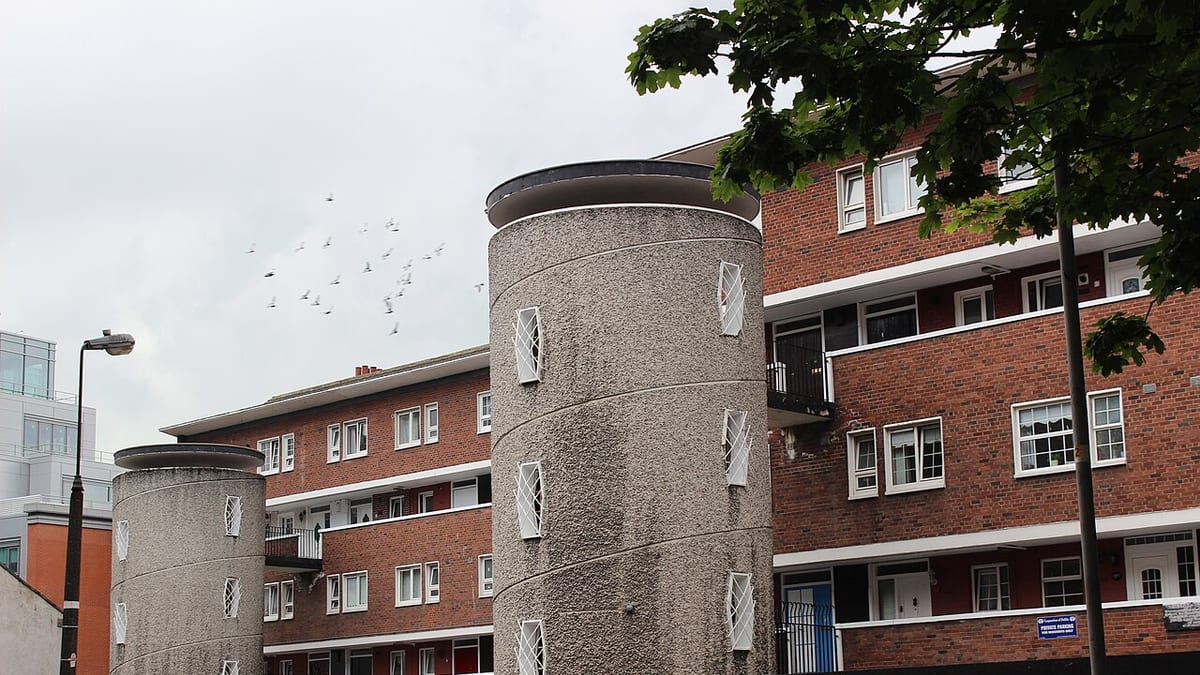
Spend your first day around Trinity, the Georgian streets and the river, then use the second for western Dublin's history and museums. Book one substantial attraction each day, not four. This two-day Dublin itinerary is designed for a first visit with two full sightseeing days; arrival and departure time should be deducted, not squeezed in around it.
Before the weekend: secure the visit that matters most
Choose between the Book of Kells, Kilmainham Gaol and the Guinness Storehouse before filling the rest of the schedule. They answer different interests: a manuscript and library experience, political and prison history, or an immersive introduction to a famous drinks brand. Trinity's campus-only walk is not the same ticket as its Book of Kells Experience. [1][2]
Kilmainham is the least suitable stop to leave to chance. Entry is by guided tour, and the official booking window opens 28 days ahead. Book through the museum's own website rather than an imitation site with a similar name. Once you have a time, organise the western half of the weekend around it. [3][4]
Do not buy a sightseeing pass merely because it lists many attractions. Write down the two or three paid visits you actually intend to make, compare their individual prices with the pass, and check whether reservations remain necessary. A pass does not create extra hours or guarantee the most convenient slot.
Day one: Trinity, a gallery and the southside streets
Start at Trinity with a pre-booked morning visit. Give the manuscript and its interpretation your attention rather than treating the library as a photograph to collect. There is an important expectation to reset: the Long Room remains part of the visitor experience, but books have been removed for conservation ahead of the Old Library redevelopment. The university's current programme keeps visitor access open until the end of 2027; the familiar fully shelved photographs are not a reliable picture of today's visit. [5][6]
Allow a planning block of roughly two hours for arrival, the experience and a pause afterwards. That is a suggested allocation, not a measured queue time. Booking the earliest possible slot is less useful than booking one you can reach comfortably after breakfast.
Continue towards Merrion Square and choose a focused National Gallery visit. Its collection is free to enter, while particular exhibitions may require a separate ticket. Instead of attempting every room, select one collection route or a handful of artists, then leave while you still have energy for the afternoon. [7]
On Sunday, the gallery opens at 11:00; Saturday's regular opening is earlier. This makes Trinity first and the gallery later a workable sequence on either day. Temporary service notices can override normal hours, so look at the actual date rather than relying solely on a generic weekend timetable. [8]
Use the afternoon for St Stephen's Green, Grafton Street and the smaller shopping streets towards Drury Street. This part of the plan is deliberately flexible. A leisurely lunch and an interesting shop are better reasons to linger than an obligation to complete a prescribed walking circuit.
A visitor who prefers architecture to paintings can replace the gallery with more time around the Georgian streets. Someone travelling with tired children can shorten the cultural stop and protect the outdoor break. The point is to keep the day geographically compact, not to insist that everyone enjoy the same museum.
Across the river, then an evening with a purpose
Return towards the Liffey for a short riverside walk, crossing to see both banks rather than staying within one shopping district. Do this in remaining daylight in winter; in summer the order is more forgiving. The river walk is the transition between the day's scheduled attractions and its less structured evening.
Temple Bar deserves a look, but it is not simply one pub or a compulsory place to spend the entire night. The district includes galleries, independent shops, performance spaces and nightlife. Browse it earlier for the cultural side, or choose an actual performance for the evening rather than following whichever doorway has the longest queue. [9]
Book dinner around your evening activity. A theatre or concert ticket with a firm start time needs a meal beforehand or a confirmed late kitchen afterwards. A casual music evening allows more flexibility. Do not assume a pub's opening hours are also its food-service hours.
Noise-sensitive travellers should separate the decision to visit nightlife from the decision to sleep beside it. An evening in a lively quarter can be enjoyable without choosing a room immediately above the busiest street.
Day two: western Dublin without an attraction marathon
For a history-led day, begin with your reserved Kilmainham tour. Build in the museum's arrival instructions and leave room for the exhibitions rather than arriving at the gate at the advertised tour time. A guided visit is a fixed appointment: late arrival is not equivalent to entering a self-guided gallery a few minutes behind schedule. [3]
After lunch, choose Collins Barracks or Guinness, not automatically both. Collins Barracks suits visitors who want collections and social history; the Storehouse suits those interested in the brand's storytelling, advertising and city views. Treat the second attraction as optional when the first has proved more absorbing than expected.
A beer-led version can reverse the emphasis: make the Storehouse the booked morning anchor, then spend the afternoon walking the Liberties and returning towards the centre. Compare the official experience descriptions carefully because guided and self-guided products, tasting upgrades and other extras are not interchangeable. [2]
Dublin Castle is another possibility, but its operation as a government building can affect room access and visitor arrangements. More importantly, do not automatically add neighbouring Chester Beatty to a late-2026 itinerary: it is closed to the public from 15 June through the end of December 2026. That closure is a reason to choose another museum, not to regard an old itinerary as still workable. [10][11]
Transport, weather and the final afternoon
Use walking for the compact central clusters and public transport for longer links. A Leap card can be useful when your route involves several services; the visitor product and ordinary pay-as-you-go card have different structures. Compare them against your real journeys, including the airport service you have selected, rather than assuming every airport coach is covered. [12][13]
In persistent rain, keep the booked anchor and reduce the intervening outdoor route. Move directly between a museum, lunch and your afternoon choice. The answer is not necessarily another ticket: a longer, better-paced visit can replace several brief stops.
For an evening flight, finish near your luggage and planned airport departure point. A final attraction on the opposite side of the city is a poor bargain when it complicates the transfer. Keep a clearly defined time to leave, even when there is one more exhibition or café you would enjoy.
This weekend works best as two coherent days: the first introduces the central streets and cultural collections; the second gives one chosen interest more depth. A coastal excursion or Glendalough is worthwhile on a longer stay, but adding either here would mean giving up much of Dublin itself.
Source & editor notes
Route and time blocks are editorial recommendations, not measured walking or queuing averages. Official visitor pages support ticket distinctions and closures. Chester Beatty's late-2026 closure and the Long Room's changing presentation materially affect older itineraries.