How to Get from Dublin to Dalkey: Routes and Travel Tips
The DART is the easiest starting point for a trip from central Dublin to Dalkey. Board a southbound service whose stop list includes Dalkey, then walk into the village for a castle visit, lunch or a coastal outing. Choose the main activity before adding Killiney or other stops: Dalkey works well as a relaxed half-day, not only as one item in a crowded coastal checklist. [1][2]
Start from the most convenient central station
The Dublin rail map shows Dalkey on the southern coastal line, beyond Dún Laoghaire and before Killiney. Central boarding options include Connolly, Tara Street and Pearse. Choose the station that fits your accommodation and the specific service rather than automatically travelling across the centre to Connolly. [1]
Look for a southbound DART towards Bray or Greystones and confirm that Dalkey appears in the stopping pattern. The displayed destination tells you the direction, while the stop list confirms the service is suitable. Do not board a train simply because it occupies the platform used by a previous departure.
Visit Dublin describes Dalkey as approximately half an hour from the city centre. Treat that as a broad destination description, not a guaranteed platform-to-platform time from every central station. The current Irish Rail planner should supply the exact departure, journey time and any service changes for your day. [2][3]
If a castle tour is the main purpose of the trip, select a train that arrives comfortably before the booked slot. Include the walk from the station and time to find the entrance. Booking the last feasible arrival before a tour turns an otherwise easy excursion into a fragile connection.
Use the fare that matches the journey
Dalkey is listed in Dublin's Zone 1 rail area. On eligible journeys, the TFI 90-minute Leap fare is €2 for an adult, with different qualifying young-adult, student and child rates. It covers eligible DART and commuter-rail travel within Zone 1 and certain connecting city services. [4][5]
For DART travel with Leap, tap on at the start and tap off at the end. The 90-minute product concerns eligible journeys and transfers within its conditions; it is not permission to spend the afternoon in Dalkey and return on the original fare. A later return is a separate journey unless another valid ticket product covers it. [5]
For a simple adult outing using two separate €2 eligible journeys, the rail travel would total €4. That is a calculation based on the stated fare and assumptions, not a complete budget including a new card, attraction admission or every possible connecting service.
A visitor with an existing travel product should check its actual coverage before buying something additional. Conversely, a ticket accepted on one Dublin transport service should not be assumed valid on every express bus or commercial excursion. The fare conditions matter more than the fact that all the journeys begin in Dublin.
Make the village your first decision point
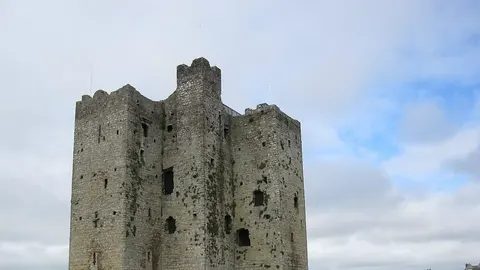
Dalkey Castle offers a guided living-history experience involving professional actors and guides, alongside its heritage and literary material. The operator welcomes walk-ins but recommends advance booking to secure a preferred time. This is a scheduled visitor experience, not merely a castle exterior you can enter whenever you happen to pass. [6]
For a history-focused visit, book that first and arrange the rest of the outing around it. Arrive, have enough time to orient yourself in the village, take the tour and then choose lunch or a short walk. This keeps the only fixed commitment from being squeezed between a late train and an ambitious hike.
For someone more interested in the coast than an interior attraction, begin with a café or supplies and then take the selected walking route. You do not need to buy a castle ticket simply because it appears in every destination list. A useful day trip should reflect your interests rather than complete every available attraction.
Dalkey's main village area and the wider coastal landscape create different levels of effort. A meal and heritage visit can remain relatively compact; adding a hill walk changes the outing into an outdoor day. Decide which version suits the group before leaving the easy return route behind.
Add Killiney Hill only when the conditions suit
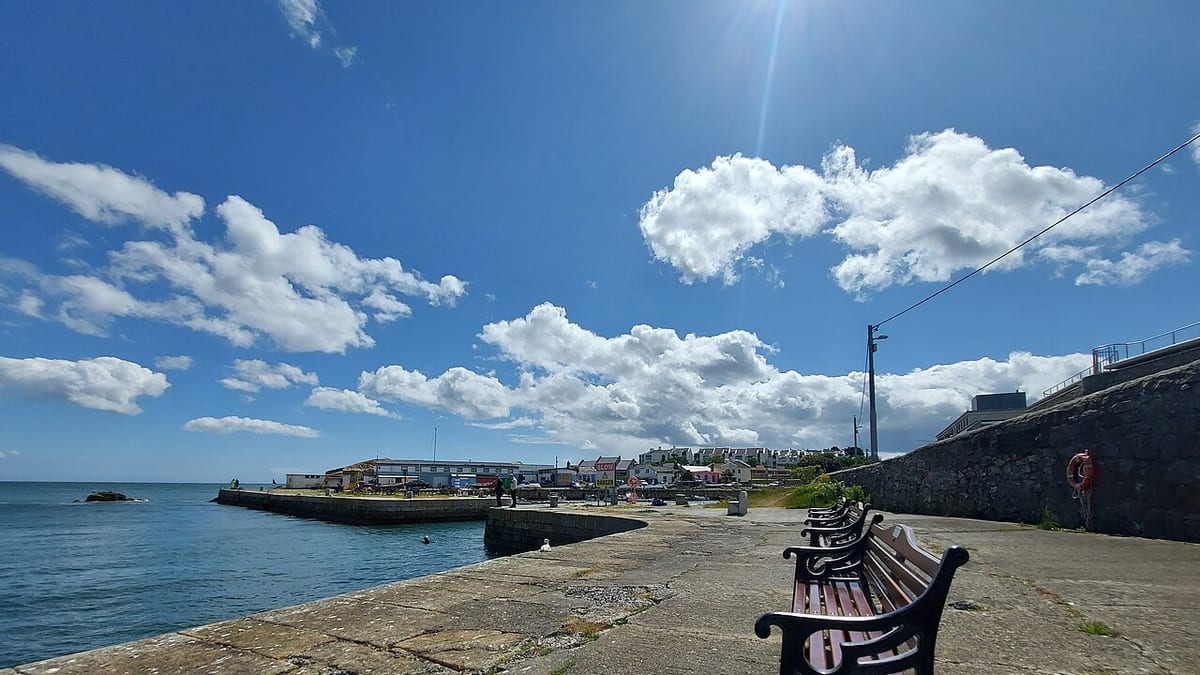
Visit Dublin describes walking options linking Dalkey with the coast and Killiney Hill, including routes through the village and towards Vico Road. It also notes that the hill can be approached more directly without taking the coastal route first. These are alternatives, not instructions to walk every section in one continuous circuit. [2]
Choose a route according to footwear, daylight and the weather. A scenic road or hillside path is not automatically suitable for every wheelchair, pushchair or traveller with limited stamina. Look at the route surface and gradient, and keep a shorter village-based option available.
A useful approach is to decide on the return station before starting the longer walk. Returning to Dalkey creates a simple out-and-back outing. Finishing elsewhere on the rail line may make sense, but only after you have mapped the complete pedestrian route and checked the station's service. Do not assume that the nearest station on a map has a convenient entrance from the path you are following.
Coastal scenery does not make an improvised swim or boat crossing part of the transport plan. Water activities require their own conditions, equipment and operator arrangements. This guide does not promise a year-round island boat service or recommend entering the sea because a beach appears beside the walking route.
When a car or taxi is more useful
For most city-centre visitors, a car adds a parking decision to a journey already served by rail. It can still be useful when Dalkey is one stop in a wider itinerary or when the group needs door-to-door travel. Compare the actual final address rather than assuming that every part of the village has the same access.
A taxi can simplify the journey for someone with restricted mobility or a booking far from a suitable station. Compare the full fare for the group and the return arrangement. An easy outward ride does not establish that an immediate vehicle will be available wherever your walk ends.
For an airport arrival, remember that the DART map does not include an airport station. A road connection to the city or another suitable interchange is needed before using the coastal railway. A direct road journey may be more practical when your accommodation is already in Dalkey and you have substantial luggage. [1]
Return before the outing becomes a rush
Save the return options before leaving the station, then revisit the live service information when you are ready to go. Do not build an important central-Dublin dinner or airport departure around catching the final possible connection from a long walk.
The simplest successful plan is often a southbound DART, one principal Dalkey activity and an unhurried return. Add the coast or Killiney because the conditions and your interests support it, not because a day-trip title implies that every nearby place must be included. Dalkey's accessibility is its advantage: use that flexibility to make the visit easier rather than filling every minute.