How to Get from Dublin to Howth: Routes and Travel Tips
Take a Howth-bound DART for the simplest journey from central Dublin to Howth. The key is the destination board: a northbound train towards Malahide is not the same service, and Howth Junction is not the harbour terminus. Once you arrive, choose between a relatively gentle harbour visit and a more demanding marked walk around Howth Head. [1][2]
Board for Howth, not simply "northbound"
Irish Rail's Dublin-area map shows the Howth branch separating from the line towards Malahide at Howth Junction and Donaghmede. The station called Howth is the branch terminus serving the harbour area. A traveller who leaves the train at Howth Junction has not completed the intended coastal trip. [1]
Central Dublin boarding options include Pearse, Tara Street and Connolly, depending on the service. Choose the station that suits your starting point and read the destination on the departure screen. A direct Howth train is the easiest arrangement for a first visit.
If the planner offers a change at Howth Junction, follow the actual connection and platform information. Do not assume that every train heading north will eventually reach Howth without a transfer. The names are similar enough to create confusion, but they refer to different points on the network.
Use Irish Rail's current timetable for the day's journey time and frequency. Weekend works or altered services can change a familiar route. This guide does not turn one advertised weekday departure into a promise that trains run at the same interval throughout the week. [3]
For a lunch reservation, allow time after arrival to walk from the station and find the restaurant. For a hike, arrive early enough to complete the route in daylight without making the final return service your only option. Those two outings require different starting times even when they use the same train.
Understand the ticket before travelling
Howth is within Dublin's Zone 1 rail area. The adult TFI 90-minute Leap fare is €2 on eligible journeys, including DART travel within that zone. Other age or concession categories have their own qualifying rates. [4][5]
With Leap, tap on at the beginning of the rail journey and tap off on arrival. A later trip back after several hours in Howth is not covered merely because the outward ride itself lasted less than 90 minutes. The fare's transfer conditions apply to the qualifying period, not to an open-ended return visit. [5]
For an adult making two separate eligible €2 journeys, the rail total would be €4. That calculated example excludes any cost of acquiring a card, additional travel outside the product's coverage and activities in Howth. Use it as a simple comparison, not a universal package price.
A visitor travel product may be useful for several Dublin journeys, but check its coverage before buying another ticket. Express airport coaches and other commercial services should not be assumed to share the same fare simply because they connect with the DART somewhere along the journey.
Decide how much walking you actually want
A harbour outing and a Howth Head hike are different experiences. For a relaxed visit, leave time for the waterfront, a meal and a short walk that can be shortened easily. For a hill or cliff route, choose the marked trail deliberately and carry what you need for the conditions.
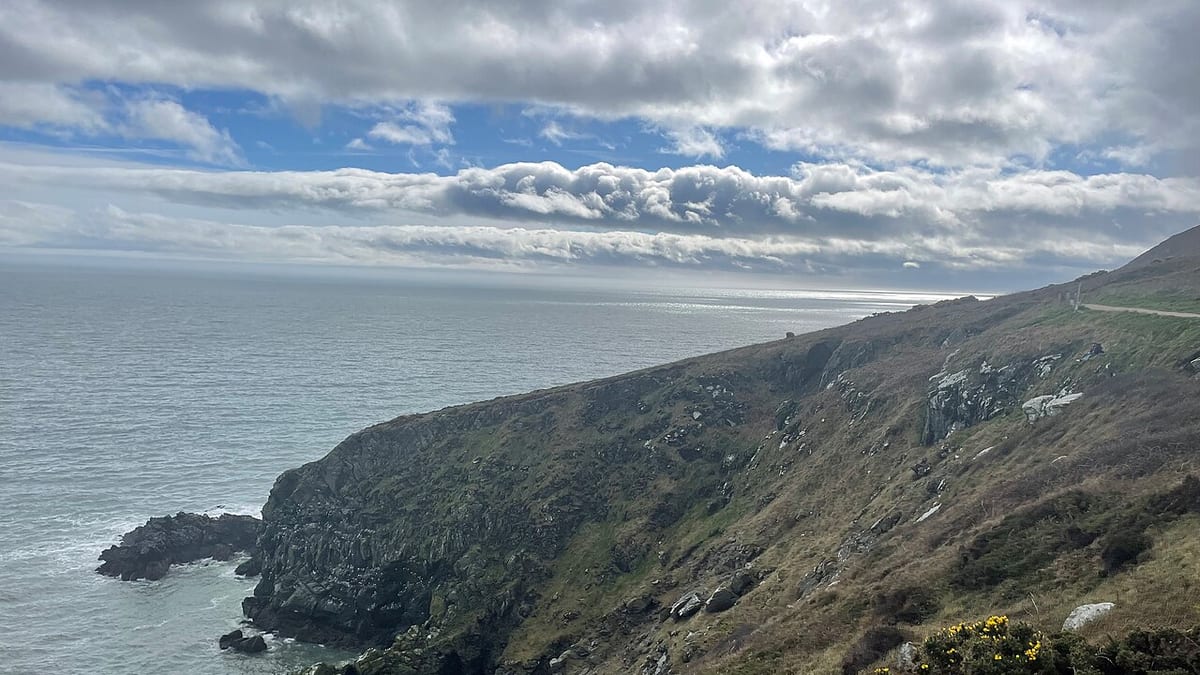
Fingal County Council describes four marked Howth Head loops starting at the DART station: the green Cliff Path Loop, blue Tramline Loop, red Black Linn Loop and purple Bog of Frogs Loop. Their routes differ; "the Howth cliff walk" is not one single circuit of a universally agreed length. [2]
The council's descriptions make the distinction useful. Some routes return along the old tramline, while the longer coastal option continues farther around the headland before circling back. Choose from the current trail information rather than following another group and discovering later that it is attempting a more demanding route. [2]
On a windy or wet day, a harbour-based visit may be the better choice. Coastal views do not justify ignoring exposed terrain, slippery surfaces or an approaching loss of daylight. A shorter visit can still be worthwhile; there is no need to complete a full loop to justify the train fare.
For a group with different walking abilities, agree on the route before leaving the station area. A person expecting a paved stroll should not find themselves committed to an uneven cliff path because the destination was described simply as "easy to reach." Transport accessibility and trail accessibility are separate questions.
Do not build a winter day around an unavailable castle tour
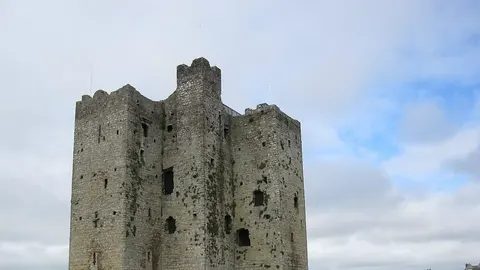
Howth Castle's current booking notice says public tours have finished for the 2026 season and are expected to resume in spring 2027. Private tours remain available by request. That means a late-autumn or winter visitor should not rely on an older guide promising a routine public interior tour. [6]
The estate's winter information describes other ways to visit, but access to a café, an event or part of the estate is not the same as admission to the castle interior. Choose an activity that is actually offered on your date and retain its booking confirmation. [7]
This distinction can change the whole outing. For a traveller interested principally in the castle, secure the visit before buying other commitments. For someone coming for the harbour and scenery, the end of the public-tour season need not prevent a satisfying trip.
Likewise, do not assume a boat excursion runs whenever trains reach Howth. Marine activities have their own operator schedules and weather limits. Treat any such booking as a separate component with a clear cancellation policy, rather than an automatic extension of the rail journey.
When another transport option is worthwhile
A taxi or car can be useful for a group requiring a particular door-to-door destination or continuing elsewhere afterwards. For a simple city-centre return, rail avoids the need to find parking and leaves everyone free to enjoy the visit without driving.
Compare the complete journey rather than the fastest road estimate. Traffic, the final parking or drop-off point and the route back all matter. For a visitor staying away from the central rail corridor, a bus connection or a direct road journey may make more sense than travelling into the centre merely to come back out again.
Before the return, look at live departures and choose a service that leaves comfortable time for any evening booking in Dublin. Walk back from the trail with that departure in mind, but do not hurry along an exposed path to recover a few minutes.
The most dependable Howth day is built around three clear choices: the correct branch, an appropriate walking route and a realistic return. Add a meal, castle booking or boat trip only when it fits those foundations. The DART makes the destination accessible; a restrained itinerary makes the visit enjoyable.