A Glendalough day trip from Dublin is worth it when you want lakes, woodland and monastic ruins more than another city museum. It works particularly well as a contrast within a longer stay. The main constraint is not whether there is enough to see: it is matching your walking ambition to daylight, transport and current trail access.
What makes the journey worthwhile
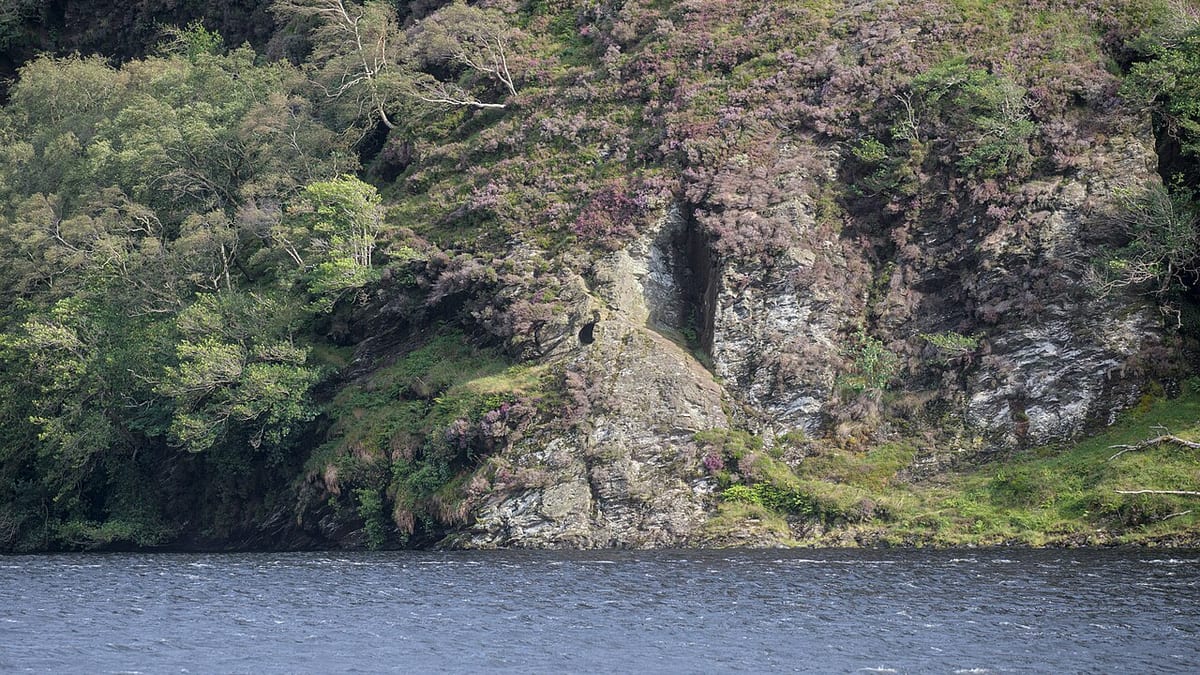
Glendalough combines a historic monastic landscape with the lakes and walking routes of Wicklow Mountains National Park. You can appreciate the setting without undertaking a mountain hike, but you should not mistake the ruins near the visitor centre for the whole destination. The Upper Lake and its trails require additional walking and time. [1]
That combination is the trip's strongest argument. Someone interested mainly in architecture can spend time around the monastic remains before taking a low-level walk. A more active visitor can prioritise a longer trail. A mixed group can enjoy the same valley without everyone committing to the hardest route.
It is a less convincing choice for a traveller with only one full day in Dublin, especially on a short winter visit. In that situation, the journey uses time that might otherwise cover a major museum, the central streets and an evening activity. Choose Glendalough because the landscape is a priority, not because every Ireland itinerary appears to include it.
There is also no need to treat the outing as a test of endurance. A satisfying day can consist of the monastic site, a lakeside walk, a packed lunch and time to look around properly. Attempting a strenuous circuit solely to claim the most dramatic viewpoint can make a relaxed excursion unnecessarily pressured.
An independent winter visit is possible - but calculate it
The St Kevin's Bus winter timetable, labelled 1 November to 28 February, lists the 11:00 departure from St Stephen's Green North reaching Glendalough at 12:20. The return leaves at 16:30 and reaches Dublin at 18:00. That gives a calculated four hours and ten minutes in the valley before allowing for boarding, food or unexpected delays. [2]
This is enough for a sensible low-level visit. It is not four hours of uninterrupted hiking from the Upper Lake trailhead. You first need to orient yourself, decide which route is appropriate and make your way between the visitor-centre area and the lake.
Build the day backwards from the return bus. Reserve a final buffer at the departure stop, then choose a walk that finishes comfortably before it. A slow lunch, photographs and a visit to the ruins all consume real time. A route that only works at the official walking estimate with no pauses is too ambitious for this schedule.
The published adult return fare is €23; the under-14 child return is €14. Two adults and two qualifying children therefore pay €74 for this transport, calculated from the listed fares. These are bus costs, not a complete family-day budget. Food and any paid visitor facilities are additional. [3]
The operator accepts specified payment methods but excludes Leap Visitor cards from its Leap acceptance. Do not count a Dublin visitor transport pass as covering this trip. Buying the right local card and buying a ticket for this private service are different decisions. [2]
Choose a walk that fits your visit, not a photograph
For an easier outing, consider the Green Road route. The park describes it as a three-kilometre low-level loop, with an indicative walking time of about 45 minutes. Add time for the monastic area, pauses and any approach from where your transport leaves you; the route estimate is not the duration of the whole excursion. [4]
The Miners' Road walk gives a longer lakeside option without committing to the high Spinc circuit. Its published distance is five kilometres out and back. That matters for families: turn around earlier when energy or weather deteriorates, rather than feeling obliged to complete a loop that carries you farther from the start. [4]
Higher trails introduce a different level of commitment. They need appropriate footwear, weather assessment and enough time to descend without chasing the bus. Calling an itinerary a "day trip" does not make every walk within it suitable for casual city shoes or an unprepared group.
Current works are another reason to keep an alternative. The park announced upgrades on the White Trail from 20 July 2026, expected to take five or six months, with disruption around the White Zig Zags. Separate short closures can also be imposed for helicopter operations. A trail shown on an older route map is not a promise that every section is presently available. [1]
Use the information office or the park's current notices to select a route on arrival. Respect a closure rather than improvising a shortcut around it. The useful alternative is usually a different official walk, not finding a way past the barrier.
When a guided excursion is the better purchase
A guided day trip can be preferable when you value commentary, want multiple Wicklow stops or do not want to organise the return journey. Its advantage is the service and sequence, not necessarily more time in Glendalough.
Read the actual schedule before booking. A tour combining several destinations may allow only a short stop in the valley. That can suit a visitor who wants the scenery and ruins, but it is unsuitable for someone expecting several hours of independent hiking. Ask how much time is allocated on the ground, not just how long the whole tour lasts.
Equally, a specialist walking excursion should identify the route, distance, ascent and required fitness. "Wicklow tour" is too broad a description to establish whether it is a coach sightseeing day or a mountain walk.
Driving offers flexibility over arrival and departure, but it adds vehicle, parking and navigation considerations. The park distinguishes parking at the visitor centre, Upper Lake and Laragh; these are not interchangeable starting points. A space farther from your chosen walk may save a parking charge while adding a substantial approach. [1]
The decision to make before leaving Dublin
Choose the independent bus for a straightforward, low-level day with a firm return plan. Choose a guided excursion when transport management and interpretation justify the price. Choose a car when the flexibility is genuinely useful for your wider itinerary, not merely because you assume the valley cannot be reached otherwise.
Pack a waterproof layer, suitable footwear, water and food that does not depend on seasonal stalls being open. Save the return details before leaving. With children, agree an early turnaround point rather than negotiating it after everyone is cold or tired.
Glendalough earns its place when you leave enough space to enjoy the landscape. On a longer Dublin stay, it can be the day that changes the pace of the trip. On a very short visit, or when poor conditions leave only a rushed outdoor stop, postponing it is a sound decision rather than a missed obligation.
Source & editor notes
Winter timing and family transport cost are calculations from the operator's timetable and fares. Walking suggestions distinguish low-level routes from mountain trails. Trail works and short operational closures can alter access; no completion date beyond the park's published estimate is assumed.