
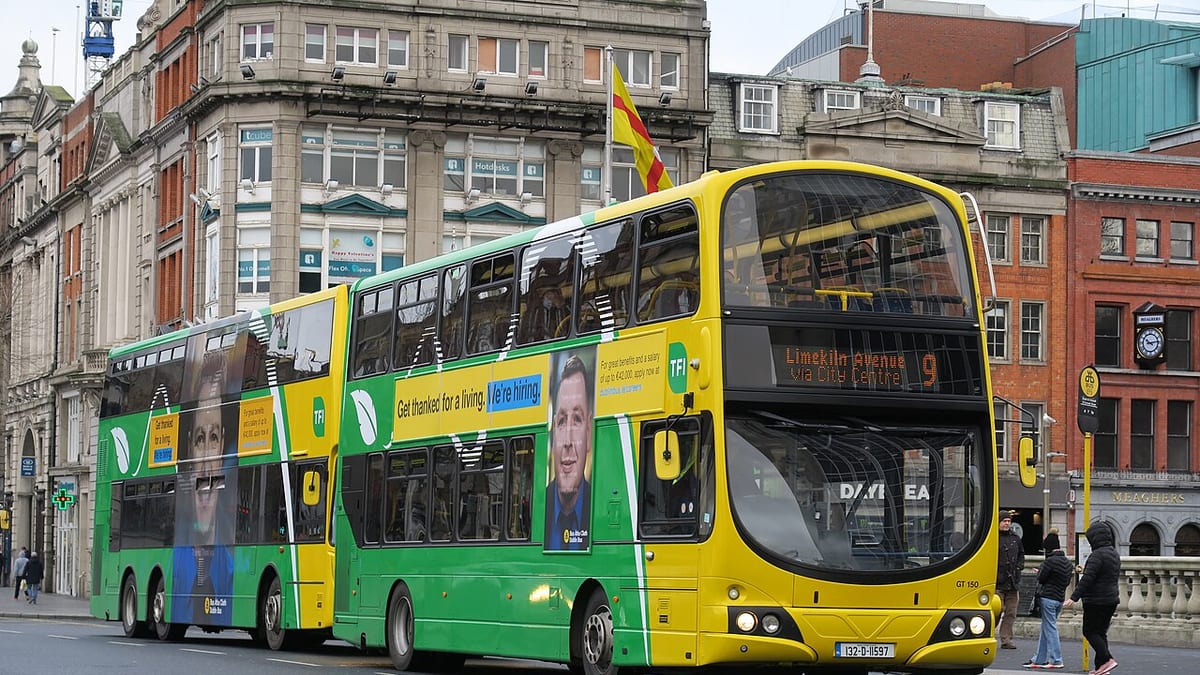
Dublin is worth visiting for travellers who enjoy history, literature, museums and evenings built around conversation or performance. It is a less convincing choice when your main goal is dramatic scenery, guaranteed sunshine or a very inexpensive break. Judge it as a city with its own cultural life - not as a substitute for the whole of Ireland.
The strongest reason to go is cultural depth
Dublin offers different ways into Irish history and creativity, rather than one attraction that everyone must prioritise. Kilmainham Gaol uses a guided prison visit to explore a difficult political past; the Museum of Literature Ireland introduces writing through exhibitions and interpretation; Trinity's Book of Kells Experience centres on a manuscript, library and associated displays. [1][2][3]
Those differences matter when assessing value. A reader who dislikes conventional art galleries may still enjoy a guided historical visit. Someone who has little interest in beer need not spend money on the Storehouse simply because it appears on every list. Choose the institution that connects with an existing curiosity.
The museums also reward attention better than rapid collecting. Two substantial visits, each followed by time to walk and think, can make a more satisfying weekend than six entrances photographed in succession. Dublin is not at its best when treated as a competition to cover the largest number of branded attractions.
This is especially relevant on a return visit. You can build a trip around a particular exhibition, a literary interest or a performance rather than repeating the same central circuit.
You do not have to organise the trip around drinking
Pubs are only one possible part of a Dublin evening. Temple Bar's official visitor guide includes cultural spaces, shops and art as well as nightlife. There is no need to turn a short visit into a pub crawl, and no reason for a non-drinker to rule the city out. [4]
The more useful question is what kind of evening you enjoy. A theatre programme, a concert or a long dinner gives the day a different shape from a late-night bar itinerary. Reserve the activity that genuinely interests you instead of assuming the atmosphere will be created by visiting a famous address.
Nor should a nightlife district determine your accommodation automatically. Travellers who enjoy busy streets early in the evening may still prefer a quieter place to sleep. Separating those choices often improves the experience without removing the social side of the trip.
For families, an earlier cultural activity and a relaxed meal may fit better than trying to adapt an adult nightlife plan. The city's appeal does not disappear when the itinerary ends before midnight.
Cost is the main question to settle before booking
There is no honest single price that answers whether Dublin is "expensive" for every traveller. Hotel dates, room occupancy, event demand and dining preferences can dominate the budget. Compare actual bookable accommodation before deciding that a cheap flight represents a cheap holiday.
A useful test is to price two realistic versions of the trip. In one, stay centrally and walk most journeys; in the other, choose a less expensive room farther out and include the transport and time required. The second option is only better when its savings survive that full comparison.
Free collections can keep sightseeing spending under control. The National Gallery's collection and the National Museum at Collins Barracks are options that do not require a general admission purchase. Paid special exhibitions or events are separate decisions, not proof that the entire institution requires a ticket. [5][6]
Spend selectively on experiences where the ticket provides something you cannot obtain from an exterior walk. A guided historical interpretation or a performance may justify its cost more clearly than a pass purchased because it appears to offer "everything."
Food spending is equally personal. Decide whether an elaborate breakfast, a tasting menu or a late-night venue is part of your holiday priority. Do not include every optional purchase in a supposedly unavoidable daily cost, then conclude that the city is unaffordable.
The city can be a base for the coast - but not for all Ireland
DART gives access to coastal places including Howth and Malahide, as Fingal County Council's visitor information explains. That makes a seaside outing a practical addition to a longer stay without requiring a rental car. [7]
A coastal visit is useful when you want a change of pace rather than an exhaustive excursion. Choose one destination, leave room for lunch and do not assume you need to complete a demanding cliff route to appreciate the setting. A harbour visit and a shorter walk may suit the weather or the group better.
Wicklow's Glendalough offers another contrast: monastic remains, lakes and woodland south of the city. However, the travel and walking time make it a substantial day, not a small extra to insert between two Dublin museum appointments. [8]
This is where expectations can go wrong. A short stay based entirely in Dublin cannot also provide an unhurried introduction to every distant landscape associated with Ireland. When scenery is the main reason for travelling, allocate nights closer to the landscapes you want rather than choosing the capital as the default base for everything.
Weather and current closures can change the recommendation
Dublin is not a destination to choose for guaranteed warm outdoor days. Use seasonal information to decide how much of your plan depends on being outside, then keep an indoor alternative that you would genuinely enjoy. A rain plan based on museums is only useful to someone who likes museums.
Late-2026 visitors should also know that some familiar recommendations are unavailable. Chester Beatty is closed through December, while Farmleigh's house is unavailable even though the estate offers other possibilities. These are specific limitations, not reasons to conclude that the whole city is closed. [9][10]
A priority attraction should be verified before the trip becomes non-refundable. This matters most when your reason for visiting is narrow: one library room, a particular museum or a specific performance. A general first visit is easier to adjust than a specialist journey built around a single interior.
How long makes sense - and who should skip it
For a first city-focused visit, two full days are a useful starting point. Add another day when you want a coastal outing or more time in collections. These are editorial recommendations, not an instruction to fill every day with ticketed sights.
Spend less time in Dublin when you are primarily travelling for rural scenery and already have limited time elsewhere. Consider another destination when the budget only works by staying far from every place you want to visit, or when your ideal break depends on consistently sunny terraces.
Choose Dublin when you can name two or three things you genuinely want to understand or experience there. Its case is strongest when the itinerary connects books, history, art, food and an evening activity into a coherent visit. The city is worth the trip for that combination - not because any destination should be declared universally essential.
Source & editor notes
"Worth visiting" is an editorial assessment based on interests and opportunity cost, not a numerical ranking or firsthand review. No unsupported average hotel price is used. Official sources establish the cultural options, transport links and late-2026 closures.