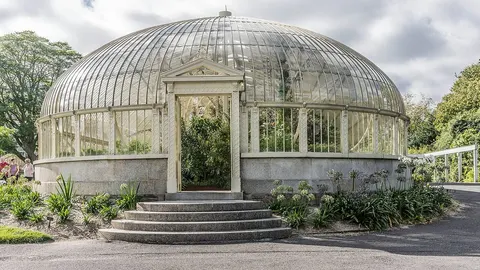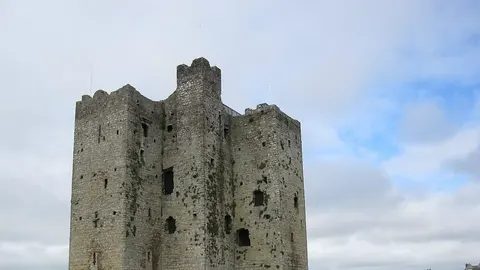
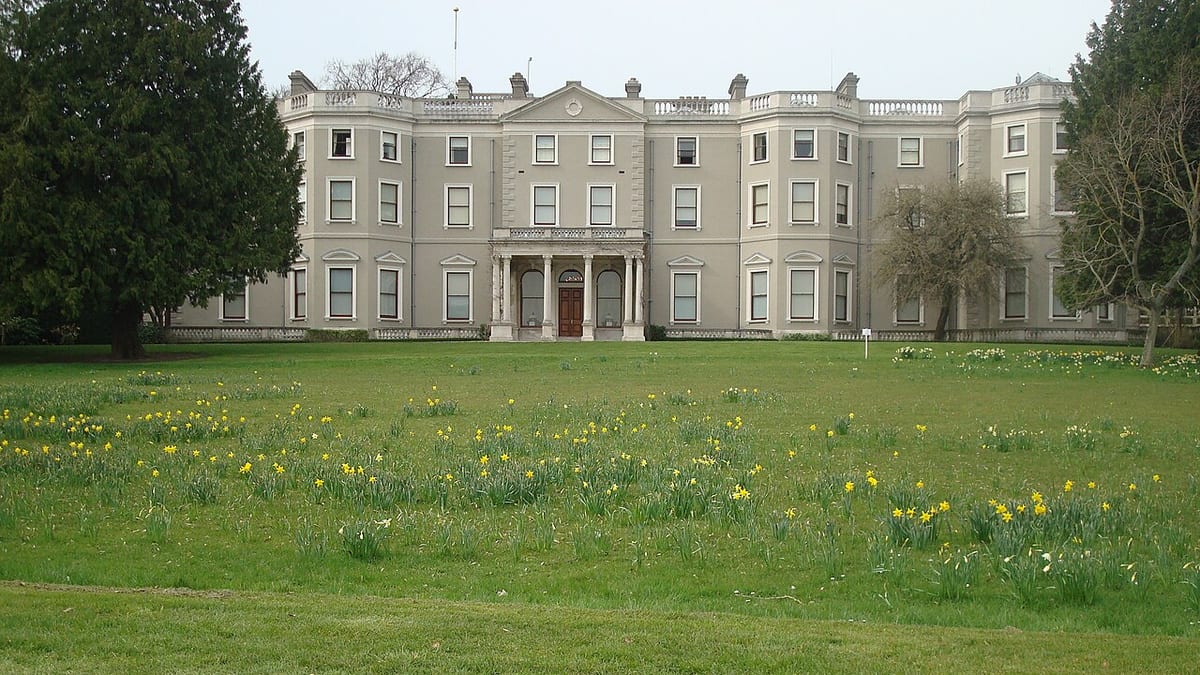
Farmleigh is worth visiting for its gardens, estate setting and a quieter outing near Phoenix Park - but not for an interior tour during the remainder of 2026. The official visitor notice says the house is closed. Treat the available grounds and outdoor interpretation as the visit itself, rather than travelling in expectation of rooms you cannot currently enter. [1]
The house and the estate are different experiences
The attraction's name can obscure an important distinction. Farmleigh is both a historic residence and a wider estate, with gardens, a lake, gallery facilities and paths. Closure of the residence changes the main architectural experience, but it does not automatically mean every part of the estate is inaccessible. [2]
Conversely, an open garden should not be described as a substitute of equal value for the house. Someone researching historic interiors may reasonably postpone. Someone who wants an outdoor break from central Dublin can still have a worthwhile visit.
The current recommendation therefore depends on your interest. Choose Farmleigh now for a garden walk and the estate's context. Wait for a confirmed reopening when your priority is the rooms, collections or the guided domestic history inside.
Older pages may continue to describe normal house tours and prices alongside current notices. Give the specific closure notice priority. A generic description of what the attraction usually offers is not evidence that those tours are available on your travel date.
What remains worthwhile outside
The gardens and parkland offer different settings within one visit. The walled garden, sunken garden and ornamental lake provide more variety than a simple walk around a single lawn. The official destination description also identifies the estate's clock tower and the relationship between the house and its landscape. [2]
Use that variety to build a modest route. Begin by orienting yourself around the visitor area, choose the garden section that interests you most, and then continue towards the lake. There is no need to turn the outing into a distance target.
Season changes the emphasis. A garden enthusiast visiting outside the main flowering period may be more interested in structure, trees and the estate's layout than colour. A family may value space and a pause by the water more than a detailed plant inventory. Neither group should be promised the same display throughout the year.
Give the house exterior some attention even when the interior is unavailable. Look at how the formal building, service areas and landscape relate. This is more rewarding than taking one photograph and deciding the entire visit has failed because the front door is closed.
An outdoor visit does depend on conditions. During prolonged heavy rain, a trip whose appeal is chiefly the grounds becomes less compelling. Avoid building a wet-weather itinerary around a closed historic interior and assuming the café can provide the missing attraction.
An outdoor tour adds the missing context
Farmleigh advertises guided outdoor estate tours while the house remains closed. The official tour information lists daily departures at 11:30 and 14:30, and Heritage Ireland describes the outdoor tours as free and weather-dependent. Use the current day's arrangements rather than assuming that a normal house-tour slot still applies. [3][1]
This is the strongest way to make the present visit more than a pleasant walk. Interpretation can explain how the estate developed and why the house matters, even when its rooms are unavailable.
Arrive with enough time to find the meeting point and obtain any required complimentary ticket or place allocation. Do not plan to reach the estate boundary at the tour's departure time: the internal approach still counts.
For a group, check the arrangements directly rather than assuming a free public tour can accommodate everyone. Similarly, visitors with hearing, mobility or other access requirements should explain their needs in advance so that staff can advise on the route.
The last part of the journey matters
Farmleigh is not interchangeable with any entrance to Phoenix Park. A transport planner result to "Phoenix Park" can leave you with a substantial remaining journey. Enter Farmleigh itself as the destination and inspect the final approach, particularly when travelling with children or someone who cannot walk far.
The park's official directions page is useful for understanding the wider area, but combine it with the estate's own location details. A visit that looks close on a city overview can still involve more walking than you expect after leaving a bus or taxi. [4]
Even parking is not a door-to-door solution. Farmleigh's accessibility page gives an approximate 300-metre distance from the car park to the ticket office and 450 metres to the tearoom. These figures are useful when deciding whether the outing fits your party's stamina. [5]
Allow a planning block of around two to three hours for an outdoor tour, a garden walk and a pause, in addition to travel. That is a suggested pace, not an official minimum. A visitor interested only in a short stroll can do less; a garden enthusiast may want more.
Do not combine Farmleigh with every other Phoenix Park attraction merely because they share a broad location. Choose a second stop only after calculating the distance between them.
Access is more specific than "wheelchair-friendly"
The estate provides accessible toilets and a ground-level café, and its gallery is at ground level. However, the garden paths include varying surfaces, slopes and steps. The sunken garden's terraces are specifically identified as unsuitable for wheelchair access because they are reached by steps. [5]
That means the right question is which route will work, not whether the attraction has a single accessibility label. Ask for a route avoiding steps and confirm the condition of surfaces after wet weather. A companion who can manage a short paved approach may still struggle with a longer uneven garden circuit.
For the same reason, plan seating and refreshments as part of the route. A café at the end is not much help when someone needs a rest halfway through a longer walk.
Food, exhibitions and a sensible final decision
The Boathouse café or restaurant setting by the lake can make a useful break, but choose the visit for the estate rather than assuming a particular menu or table will be available. Keep food-service details separate from the grounds' access hours. [2]
Likewise, the gallery has its own programme and schedule. A reference to free gallery entry does not guarantee a specific exhibition on every day. Identify what is showing before making it the central reason for travelling.
For a first-time visitor with only a short Dublin weekend, an open central museum may offer more value during the house closure. For someone staying longer, seeking gardens or returning to the city, Farmleigh's free outdoor elements can still justify the journey.
The fair verdict is conditional: worthwhile as an estate visit now, not currently available as the full historic-house experience. Planning around that distinction removes the main source of disappointment and lets the grounds be appreciated on their own terms.
Source & editor notes
Current closure notices take precedence over older descriptions of house tours. Some Farmleigh pages could not be fully fetched, so details were cross-checked against Heritage Ireland and Visit Dublin. Suggested visit duration is editorial; outdoor tours remain weather-dependent.