
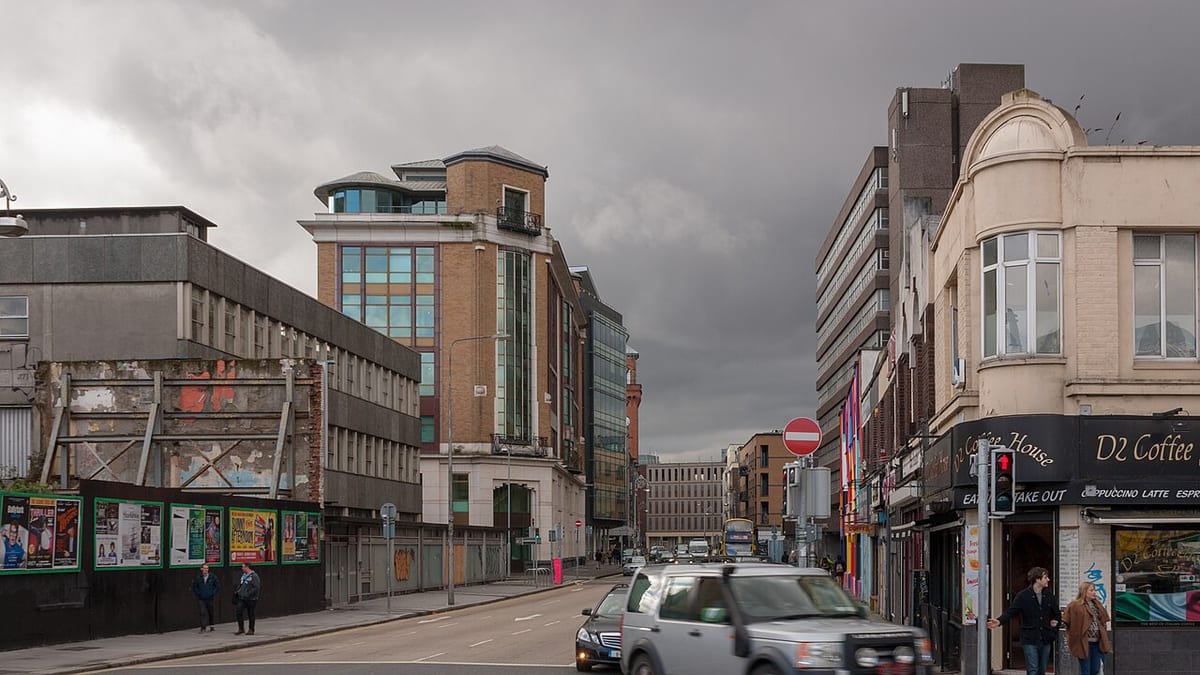
Tourist Scams in Dublin: What to Watch For and How to Avoid Them
The most useful protection against tourist scams in Dublin is to slow down unexpected payments, verify bookings through a trusted channel and keep control of your belongings during distractions. Garda advice identifies fake holiday offers and several street-level deception tactics. These warnings describe mechanisms to recognise; they do not mean that every helpful stranger or expensive bill is fraudulent. [1]
Protect the booking before you reach Dublin
A convincing accommodation photograph proves very little about who controls a property. Garda holiday-fraud guidance describes fake listings, copied websites and offers that move the customer into direct contact with a seller promising an unusually cheap deal. The central warning sign is pressure to pay before you can independently verify what you are buying. [1]
Start from the accommodation's established website or the booking platform you deliberately chose. Compare the address, dates, cancellation terms and payment recipient before confirming. A social-media message offering a last-minute cancellation should not receive the same trust as a reservation visible inside your existing account.
When an unexpected message says that your booking will be cancelled unless you pay again, stop and contact the property through a number you independently obtained. Do not use only the telephone number or payment link inside the alarming message. The point is to create a second route of verification rather than asking the same potentially false contact to reassure you.
A genuine hotel may require a deposit or prepayment, so the presence of an advance charge does not by itself establish fraud. What matters is whether the request matches the booking terms and reaches the verified business. Keep the confirmation and payment record together, especially when different members of a group have organised different parts of the stay.
For attractions and concerts, apply the same method. Search for the organiser's official sales channel, then compare the event date and ticket conditions. A screenshot of a ticket offered by a stranger does not establish that it remains valid or has not been sold repeatedly.
Recognise a distraction without becoming confrontational
Garda guidance includes tactics in which a supposed accident or a helpful gesture draws attention away from valuables. Examples include someone offering to clean a substance from your clothing and a staged dispute about a dropped camera. These are documented warning examples, not a claim that they happen on every Dublin street. [1]
The practical response is to create space. Keep hold of your bag, move towards a staffed business or a more comfortable public setting and decline unwanted assistance. You do not need to hand over a wallet to settle an unexplained demand or to prove that you are being cooperative.
In a café, avoid leaving a phone exposed at the edge of the table while looking at directions. On public transport, keep a bag closed and positioned where you can feel or see it. These are simple protective habits, not reasons to spend the trip anxiously watching everyone around you.
If someone becomes threatening, prioritise getting to safety over recovering an item or winning an argument. Do not chase a suspected thief into an unfamiliar place. A clear description of what happened, the location and the time is more useful for a report than a confrontation that puts you at further risk.
Verify a taxi, and understand legitimate charges
Transport for Ireland's Driver Check app lets passengers verify that a vehicle is registered and the driver licensed, view the driver's photograph and share journey details. It is a practical way to check a proposed ride rather than relying only on a vehicle's appearance or a confident introduction. [2]
Use the address of your destination, not merely a hotel name that could be confused with another property. For a booked ride, compare the arriving vehicle and driver with the booking. If those details do not match, resolve the discrepancy before getting in.
A higher-than-expected taxi fare is not automatically a scam. TFI explains that metered fares depend on the journey and that legitimate extras can include booking fees, additional passengers and tolls. It also distinguishes an app provider's own charges from the taximeter fare. Compare like with like before deciding that an unexplained difference is dishonest. [3]
Ask for and retain the taximeter receipt, not just a card-terminal slip. The regulator says the taxi receipt contains the vehicle and trip details needed for a subsequent query. Its customer guidance also states that taxis must accept cash and card and that card-payment surcharges are not permitted. [3]
Where you have a concern, record the relevant details and use the regulator's complaint route. A dispute is easier to assess with a receipt, date and vehicle identification than with a rough memory of the fare. Avoid making a late-night confrontation the first or only method of resolving it.
Keep ordinary spending decisions separate from fraud
A high menu price, a cover charge or a service charge clearly disclosed in advance is not the same as deception. Read what is included before ordering and ask when an entry fee, minimum spend or set menu is unclear. This is especially useful for special-event evenings, when normal weekday arrangements may not apply.
At a payment terminal, look at the amount before tapping and keep your card in sight. Decline any request for an account password or one-time banking code that is unrelated to a transaction you initiated. A person claiming to be helping with a failed payment does not need access to your entire banking account.
Separate your essential resources where practical. Carrying every card, all your cash and your passport in one easily lost bag makes a single incident harder to recover from. Keep copies of important documents and the contact details for your bank and accommodation accessible through a second route.
What to do if something goes wrong
For an emergency or an immediate threat to safety, call 112 or 999. For a non-emergency crime report, contact a Garda station. Preserve messages, receipts and booking details; they may help explain the incident and support a claim to your bank or insurer. [4][5]
If card details have been exposed, contact the card provider promptly through its official channel. Ask what immediate protection is appropriate and retain the reference for the report. Avoid following a second unsolicited message that offers to recover the money for another advance fee.
Tourist SOS provides free support to international visitors in Ireland after crime or other distressing incidents, seven days a week during its published service hours. Its assistance can include navigating police reports, contacting banks or embassies and resolving disrupted travel. It is not a substitute for emergency services and does not guarantee reimbursement. [6]
The aim is to make recovery manageable and prevention routine. Verify unusual requests, keep evidence of purchases and use licensed services. Those habits leave more attention for the trip itself while giving you a clear response when something does not look right.