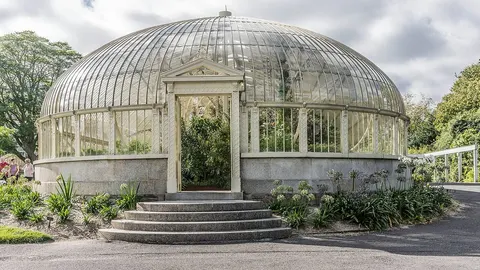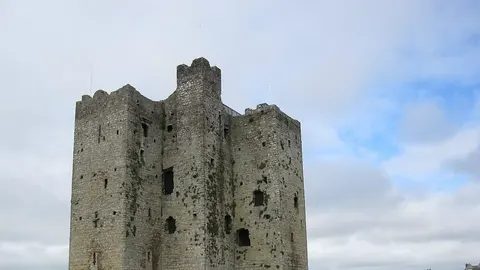
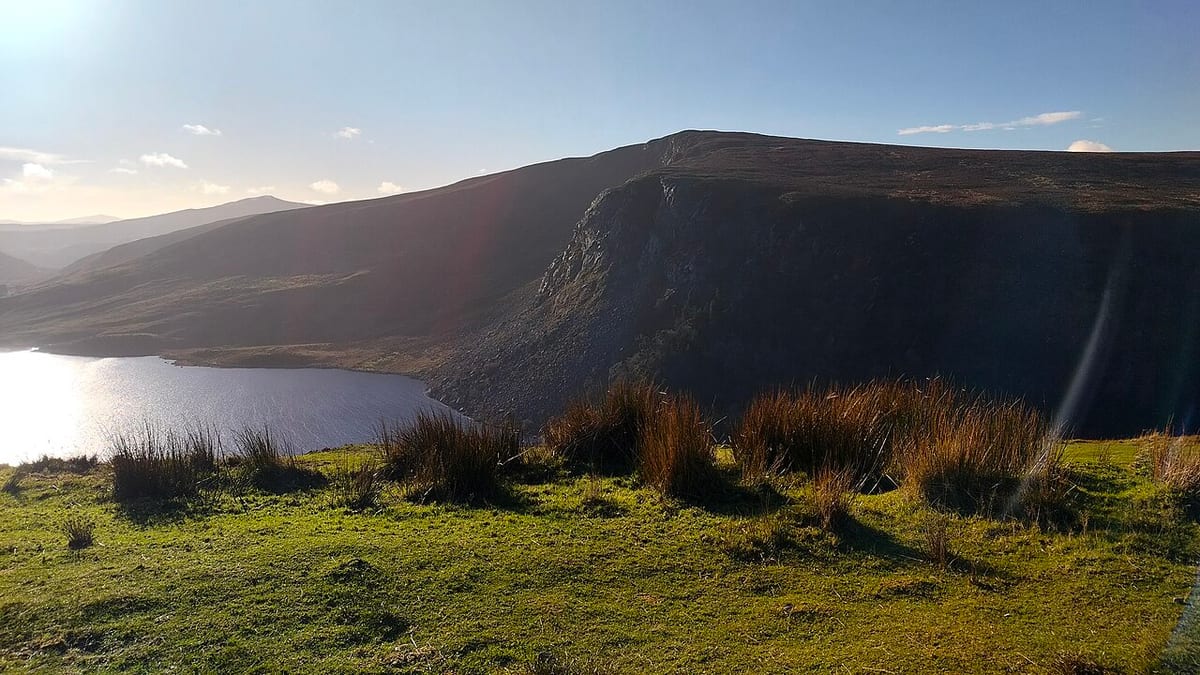
Visit Wicklow Mountains National Park for a landscape day rather than a quick photograph stop. Glendalough is a practical first base, with lower-level walks as well as demanding mountain routes. Choose the walk before choosing transport, and let daylight and conditions determine its length. In late 2026, trail works require attention, but they do not mean the whole Spinc area is closed. [1][2]
Glendalough is a starting point, not the entire park
The national park extends across approximately 23,000 hectares south of Dublin. Entry to the park is free, although parking charges may apply. Glendalough concentrates visitor facilities, marked walks and access to the lakes in one valley, making it easier to organize than an unspecified drive into the mountains. [1]
For a first visit without specialist hiking plans, that concentration is an advantage. You can decide between a modest lakeside outing and a longer climb without moving the car repeatedly. For a return visit, or a day with an experienced guide, a wider mountain itinerary may be more rewarding.
Do not try to combine every familiar Wicklow place name in one afternoon. A route that repeatedly stops for photographs can leave too little time for the walk you came to enjoy. Choose one principal landscape experience and make additional stops optional rather than compulsory.
The monastic area and the walking landscape also deserve different kinds of attention. A good visit allows time to look closely at the historic structures before or after the trail instead of treating them as a hurried gateway to the lakes. You do not need to complete a difficult hike to have a worthwhile day.
Choose the season for your priorities
There is no single best month for every visitor. If a long route is the priority, select a period with enough daylight to absorb a slower pace and an unexpected delay. If the aim is a quieter, lower-level outing, a shorter day can work well provided transport and facilities fit around it.
In winter, plan the return first. Work backwards from the bus departure or the time you need to leave the car park, then allow a margin for finding the stop, changing wet layers and moving more slowly than expected. A route's published walking time should not consume the entire window.
In the longer-day part of the year, avoid converting extra daylight into an overfilled itinerary. It is more useful as flexibility: a longer lunch, a pause beside a lake or time to turn back comfortably. Choose a morning start when a popular trail is central to the visit, but do not assume an early arrival guarantees solitude.
Autumn colour and spring conditions can make a lower walk attractive, yet neither season guarantees a particular appearance on a particular date. Build the day around a landscape you want to explore, not a promise that every tree or hillside will match a promotional photograph.
For all seasons, bring footwear and outer layers suited to the chosen route. A dry-looking city morning is not a sound reason to abandon waterproofs. If the conditions exceed your experience, shorten the route rather than treating completion as an obligation.
Three walks for different ambitions
The park's current trail information lists the Green Road as a 3-kilometre easy loop, with a suggested 45-minute walking time. The Miners' Road is a 5-kilometre easy linear out-and-back route, listed at about one hour. The White Spinc and Glenealo Valley route is 9.5 kilometres and strenuous, with a suggested three hours and 15 minutes. [3]
These figures are route descriptions, not promises about your pace. Add time for photography, rest, route-finding and the approach from your arrival point. A linear trail described as an out-and-back should not be doubled automatically; equally, the distance from the bus or parking area is not necessarily included.
Choose the Green Road when the day includes a substantial heritage visit or when some companions want a gentle introduction. Choose the Miners' Road when a longer valley walk suits the group better than a mountain circuit. Choose the White route only when everyone is comfortable with a strenuous outing and the available time supports it.
The most important comparison is not which trail has the most dramatic photographs. It is whether the least confident person in the group can complete the route comfortably with a reserve of time and energy. Splitting into separate plans can be sensible, but agree a clear meeting arrangement rather than relying on an improvised reunion.
What the 2026 trail notices actually mean
An official notice dated 8 July 2026 announced work beginning on 20 July on the White Zig Zags, between the Miners' Village and the footbridge. The expected duration was five to six months. The park said the trails would remain open apart from one or two helicopter-operation days, with occasional disruption on the Blue Trail while materials were moved. [2]
That is not a blanket closure of the mountain circuit. It does mean walkers should allow for instructions from the trail crew and temporary restrictions. Follow the on-site arrangement instead of using an older route description to argue that a particular section must be available.
Separate storm-damage notices affect other paths. The current trail page identifies the Bronze Poulanass and St Kevin's Cell loop as closed and describes alterations around the Poulanass area. [3] Distinguish these notices from the White Trail upgrade: a photograph of one closure sign does not explain the status of every nearby route.
For a visit after the expected works period, use the park's current notices rather than assuming this article's late-2026 construction detail remains active. Conversely, an anticipated completion date is not proof that a project has finished.
Parking changes the length of your walk
The park identifies three principal parking choices: the free Laragh car park, the paid Visitor Centre car park near the monastic area, and the paid Upper Lake car park. Laragh is approximately 3 kilometres on foot from the Upper Lake Information Office. [4]
That makes free parking a walking decision as well as a financial one. The approach and return can add roughly 6 kilometres before considering the chosen trail. For a group planning a short walk, saving the parking charge may fundamentally change the day. For fit walkers who welcome the extra distance, it may be an attractive arrangement.
Do not compare car parks solely by their distance from Dublin. Compare their relationship to the place where your intended trail begins. Arriving at the historic visitor area and arriving beside the Upper Lake are not equivalent starting points.
Public transport requires the same discipline. Work out the arrival location and return service before selecting a route. A compact valley visit is often a better fit for a fixed bus timetable than a demanding circuit with no spare time.
Plan a complete day, not just a trail
The park asks visitors to keep dogs on leads, avoid fires and take waste away. Toilets are concentrated around the main Glendalough facilities rather than distributed across the mountain landscape. [1] Organize food, water and a toilet stop before committing to the walk.
A balanced first visit can give the historic area an unhurried visit, add a suitable lower-level trail and finish with a meal or warm drink. A hiking-focused day should simplify everything else: one route, an early enough start and a clear return plan.
The best Wicklow day is not necessarily the longest one. It is the day in which the route, conditions, transport and group's abilities agree. Leaving a harder circuit for another visit is better planning than discovering halfway round that the scenery has consumed the time needed to get home.